Key Takeaways
- 1Modern wearable sensors capture over 1,000 data points per second during athletic activity
- 2GPS and accelerometer integration enables precise workload quantification across team sports
- 3Heart rate variability monitoring provides early indicators of overtraining and fatigue accumulation
- 4Real-time dashboards allow coaching staff to make evidence-based substitution and training decisions
The Rise of Wearable Technology in Competitive Athletics
Over the past decade, wearable technology has transitioned from a niche research tool to a standard component of athletic training infrastructure at virtually every competitive level. Professional leagues, collegiate programs, and even advanced high school organizations now integrate wearable sensor systems into daily training and competition workflows. This rapid adoption reflects both the maturation of sensor hardware and the growing recognition that objective physiological data can meaningfully improve training outcomes.
The earliest wearable devices in sports were rudimentary heart rate monitors that provided a single data stream with limited analytical value. Contemporary systems, by contrast, integrate multiple sensor modalities including GPS positioning, tri-axial accelerometers, gyroscopes, magnetometers, and optical heart rate sensors into compact units that athletes can wear without meaningful interference to their natural movement patterns. The data density produced by these systems has increased by orders of magnitude, creating both opportunities and challenges for coaching staffs tasked with translating raw data into actionable training decisions.
Sensor Technologies and Data Acquisition
Modern athletic wearables employ several distinct sensor technologies, each contributing unique information about athlete status and performance. GPS receivers track position and velocity with sub-meter accuracy at sampling rates of 10 to 18 Hz, enabling precise quantification of distances covered, sprint frequencies, and movement velocities during field-based activities. When combined with accelerometer data sampled at 100 Hz or higher, these systems can distinguish between different movement intensities and classify activities such as walking, jogging, running, sprinting, and change-of-direction movements.
Inertial measurement units combining accelerometers, gyroscopes, and magnetometers capture three-dimensional movement data that enables analysis of movement quality beyond simple distance and speed metrics. These sensors can detect asymmetries in gait patterns, quantify the mechanical load experienced during jumping and landing activities, and identify subtle changes in movement patterns that may indicate developing fatigue or injury risk. The integration of multiple sensor streams creates a comprehensive picture of athletic activity that no single measurement could provide.
Optical heart rate sensors have improved substantially in recent years, approaching the accuracy of chest-strap monitors during steady-state activities. While wrist-based optical sensors still exhibit reduced accuracy during high-intensity interval activities with rapid heart rate changes, ongoing improvements in sensor design and signal processing algorithms continue to narrow this gap. For many practical applications, the convenience of wrist-based monitoring outweighs the modest accuracy reduction compared to chest-strap alternatives.
Training Load Management and Periodization
Perhaps the most impactful application of wearable technology in athletics is the objective quantification of training load. Before wearable sensors became widely available, coaches relied on subjective assessments and simple volume metrics such as total distance run or number of repetitions completed to gauge training stress. These approaches, while useful, failed to account for the intensity distribution of training activities and the cumulative physiological impact of repeated training sessions.
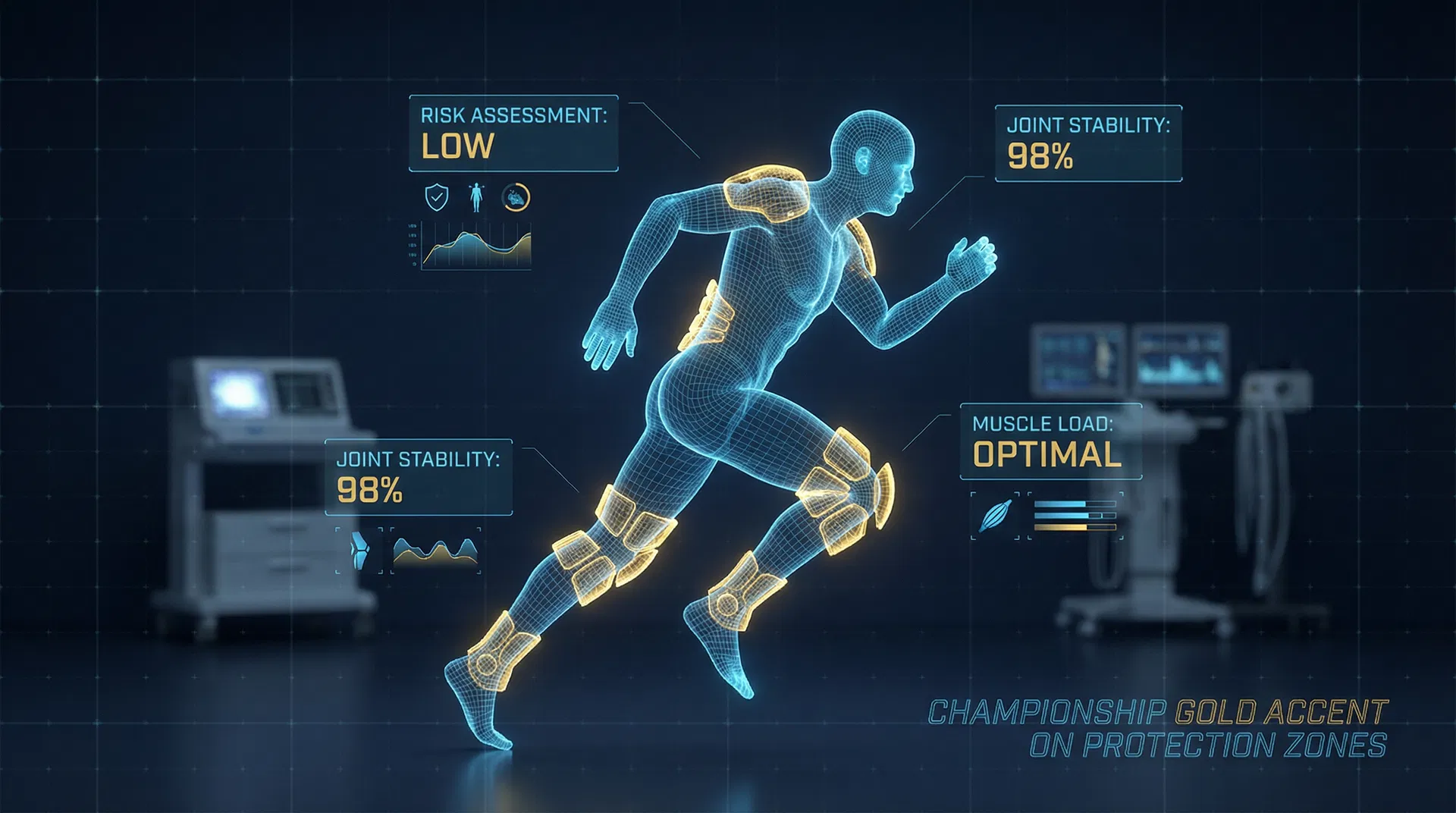
Modern load management systems calculate external load metrics from GPS and accelerometer data, including total distance, high-speed running distance, acceleration and deceleration counts, and player load values derived from tri-axial accelerometer data. These external load metrics are complemented by internal load measures derived from heart rate data, including time spent in various heart rate zones, training impulse calculations, and heart rate recovery profiles. The combination of external and internal load data provides a more complete picture of training stress than either measure alone.
Longitudinal tracking of these metrics enables coaches to implement evidence-based periodization strategies that balance training stimulus with adequate recovery. By establishing individual baselines and monitoring trends over weeks and months, coaching staffs can identify when athletes are accumulating excessive fatigue and adjust training plans accordingly. Research has consistently demonstrated that monitoring acute-to-chronic workload ratios helps reduce injury incidence by identifying periods when athletes are exposed to training loads that significantly exceed their recent preparation levels.
Real-Time Monitoring During Competition
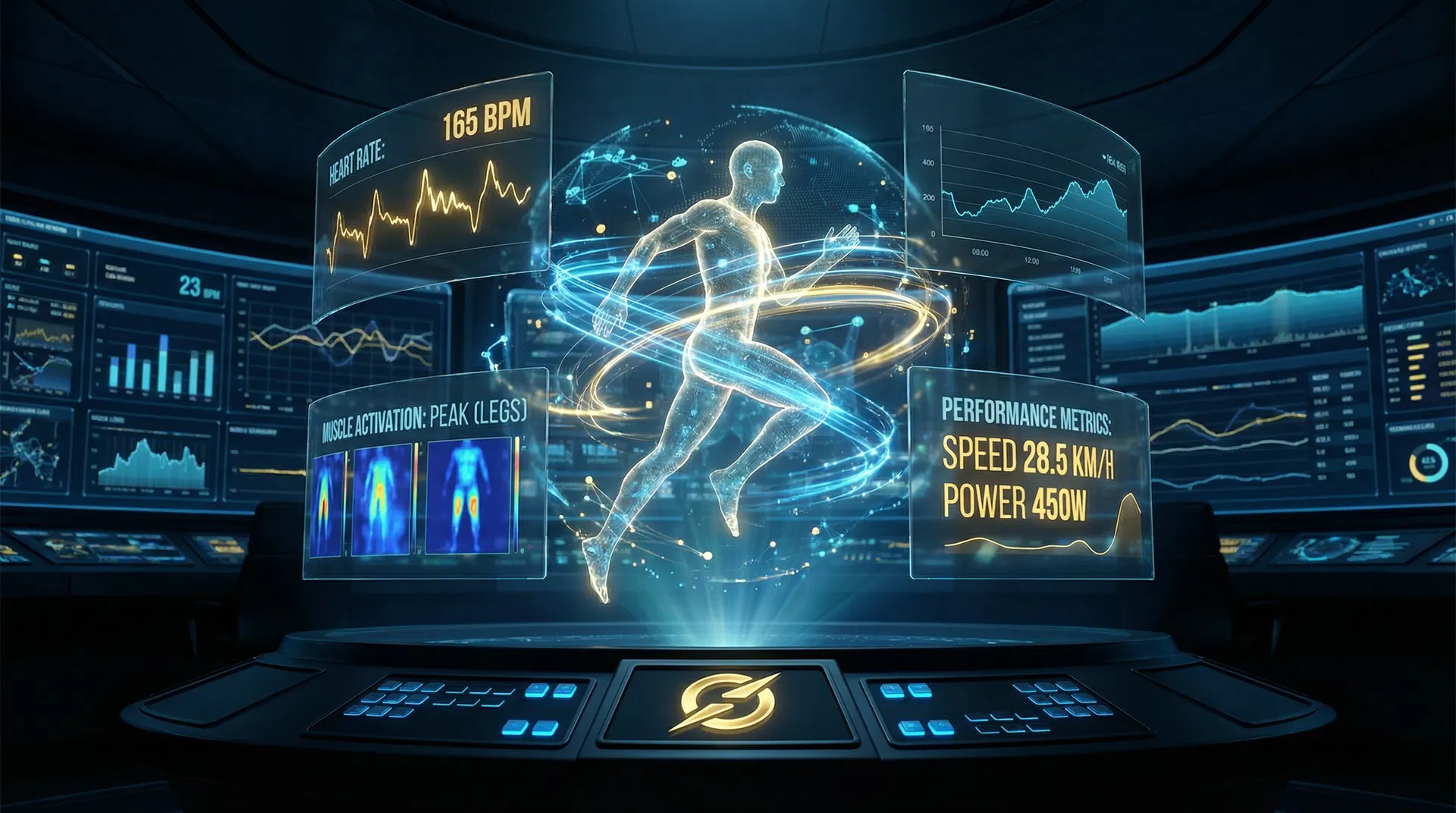
The application of wearable technology extends beyond training environments into competitive settings, where real-time data can inform tactical decisions. In team sports, live dashboards display individual and team-level metrics including distance covered, sprint counts, metabolic power output, and positional heat maps. Coaching staffs use this information to make evidence-based decisions about substitutions, tactical adjustments, and in-game recovery strategies.
Real-time monitoring has proven particularly valuable in sports with rolling substitution rules, where coaches can rotate players based on objective fatigue indicators rather than relying solely on visual assessment. Studies in professional soccer, rugby, and basketball have demonstrated that coaches who incorporate real-time wearable data into substitution decisions can maintain higher average team performance levels throughout competitions compared to those relying on traditional observation alone.
The integration of wearable data with video analysis systems represents a further advancement in competition monitoring. By synchronizing positional tracking data with video footage, analysts can examine specific tactical situations with quantitative context. This combination enables more precise evaluation of player positioning, movement timing, and physical output during critical game moments.
Heart Rate Variability and Recovery Assessment
Heart rate variability analysis has emerged as one of the most promising applications of wearable technology for monitoring athlete recovery and readiness. HRV measures the variation in time intervals between consecutive heartbeats, reflecting the balance between sympathetic and parasympathetic nervous system activity. Research has established that reduced HRV often precedes performance decrements and increased injury risk, making it a valuable early warning indicator for coaches and sports science staff.
Morning HRV measurements, typically collected during a brief resting period immediately upon waking, provide a daily snapshot of autonomic nervous system status. When tracked over time, these measurements reveal individual patterns that can be used to assess recovery from training and competition. Athletes who consistently show suppressed HRV relative to their personal baseline may benefit from reduced training loads or additional recovery interventions.
The practical implementation of HRV monitoring requires careful attention to measurement standardization. Factors including body position, breathing rate, measurement duration, and time of day all influence HRV values, making consistent measurement protocols essential for meaningful longitudinal comparisons. Successful programs establish clear protocols and educate athletes on the importance of consistent measurement conditions to ensure data quality.
Data Integration and Analytics Platforms
The value of wearable technology data is maximized when integrated with other data sources within comprehensive analytics platforms. Modern sports analytics systems combine wearable sensor data with subjective wellness questionnaires, sleep tracking data, nutritional intake records, and performance testing results to create holistic athlete profiles. This integrated approach enables identification of relationships between variables that would be invisible when examining any single data stream in isolation.
Machine learning algorithms applied to integrated datasets can identify patterns associated with performance peaks, injury risk, and optimal recovery timelines. These predictive models improve over time as they accumulate more data, becoming increasingly accurate in their assessments of individual athlete status. The development of these models requires substantial data volumes, making consistent long-term data collection a critical investment for organizations seeking to leverage advanced analytics.
Data visualization and reporting tools play a crucial role in translating complex analytics into actionable information for coaches and athletes. Effective platforms present key metrics in intuitive formats that facilitate rapid decision-making without requiring deep statistical expertise. The most successful implementations prioritize clarity and relevance over comprehensiveness, presenting the specific information each stakeholder needs in formats they can quickly interpret and act upon.
Privacy, Consent, and Ethical Considerations
The collection of detailed physiological data from athletes raises important questions about privacy, consent, and data ownership. Athletes generate highly personal health and performance data through wearable monitoring, and organizations must establish clear policies governing how this data is collected, stored, shared, and used. Transparent communication about data practices is essential for maintaining athlete trust and ensuring compliance with applicable privacy regulations.
Consent frameworks should clearly articulate what data is collected, who has access to it, how long it is retained, and what happens to the data if an athlete leaves the organization. Athletes should have the ability to review their own data and understand how it influences decisions about their training, playing time, and contract status. Organizations that approach data governance proactively, with genuine respect for athlete autonomy, are better positioned to maintain the trust necessary for successful wearable technology programs.
The Future of Athletic Wearable Technology
The trajectory of wearable technology in athletics points toward increasingly sophisticated monitoring capabilities with reduced physical footprint and improved user experience. Emerging sensor technologies including continuous glucose monitors, sweat electrolyte analyzers, and muscle oxygenation sensors promise to add new dimensions to athlete monitoring. The integration of these additional data streams will further enhance the ability of coaching staffs to optimize training and recovery at the individual level.
Advances in edge computing and miniaturized processing capabilities will enable more sophisticated real-time analysis directly on wearable devices, reducing dependence on external processing infrastructure and enabling faster feedback loops. Combined with improvements in battery technology and wireless communication protocols, these advances will make continuous monitoring more practical and less intrusive for athletes across all competitive levels.
The organizations that derive the greatest benefit from wearable technology will be those that invest not only in hardware and software but also in the human expertise necessary to interpret data and translate insights into practical training decisions. Technology serves as a powerful tool for enhancing athletic performance, but its value is ultimately determined by the quality of the decisions it informs.
"The ability to monitor physiological responses in real time has shifted coaching from an art based on intuition to a discipline grounded in continuous biometric feedback."